

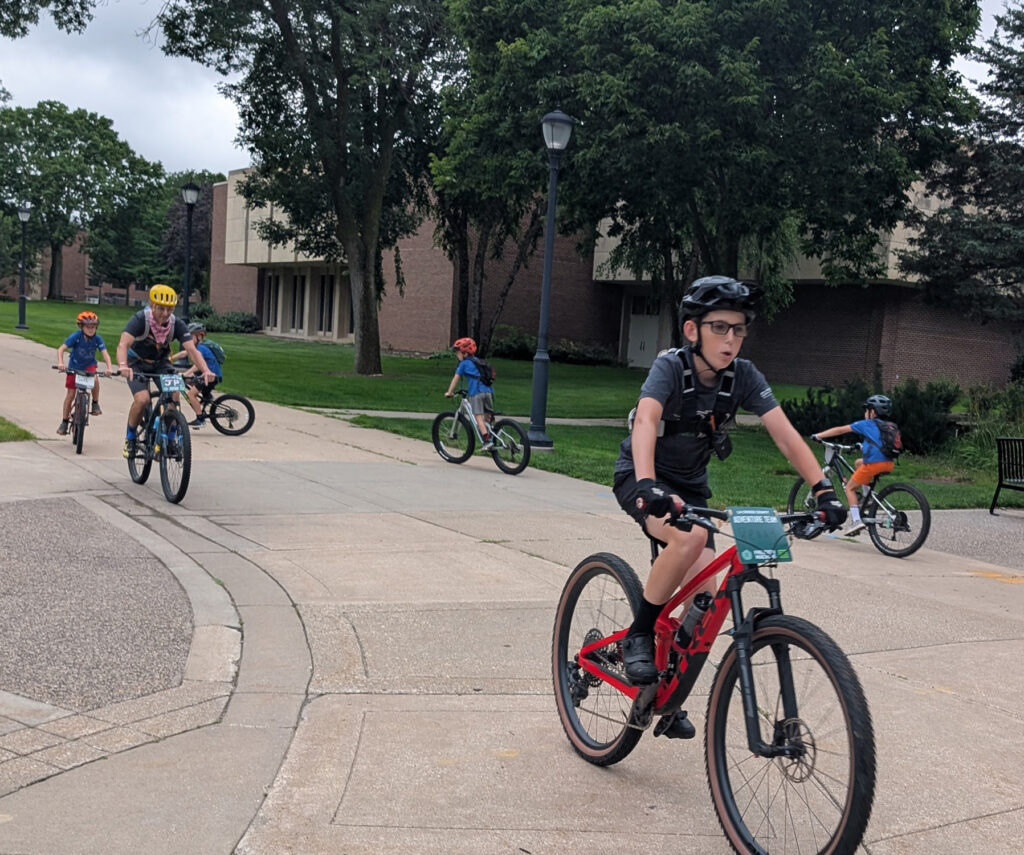
What is an apprentice lead?
An apprentice lead is a youth who wants to gain leadership experience by volunteering alongside adult Adventure Bike Club (ABC) leads. Apprentice leads model the core values of 906AT – respect, effort, consistency and grit – and learn how to have a positive impact on youth ABC participants.
Who is eligible to be an apprentice lead?
Apprentice leads must be at least 12 years old and have at least one year of participation in ABC. They must have met the 80% attendance threshold and consistently demonstrated a commitment to the 906AT ethos.
What is the time commitment for apprentice leads?
Apprentice leads are expected to attend 80% of the ABC rides. They are required to attend the first week of the program, which is youth and family orientation.
During the season, apprentice leads and their parent/guardian will have 2-3 virtual check-in meetings with a 906AT staff member or volunteer. All apprentice leads should be able to share the check list with examples of how they have accomplished an item when requested.
They are also expected to complete all pre-season training required of adult volunteers, including online training (2-4 hours) and local on-the-bike training (approximately two hours, in person).
Apprentice leads will meet with the area lead(s) the week before the season begins to discuss any final questions. All individuals present at the meeting should understand the Apprentice Lead expectations; provide and accept feedback on the expectations; and have all their questions addressed in a satisfactory manner.
Attendance at the Leading Adventure Summit in Marquette (April 25-26, 2026) with a parent or guardian is encouraged, but not required.
If interested, apply at the volunteer link on the 906AT website and choose youth apprentice lead on the volunteer form.
Apprentice Lead Expectations
Lead by Example
This program is a form of service, not status. Each apprentice lead is responsible for the following:
- Modeling Adventure Team basecamp expectations: helmets on, nameplates on bike, wear this year’s shirt, no riding in basecamp
- Modeling respect for others: volunteers, riders, and the trail system
- Modeling how to ride new obstacles or trail: walk it first, talk about it, and then ride
- Modeling ABCD bike check each week and supporting ABCD bike checks for younger riders
- Helping with set up or take down of basecamp
- Setting personal goals and sharing those with other riders: this helps model risk taking by sharing your goals with other riders
- Using supportive, consistent and positive words and body language: what we do is more impactful than what we say. For example, ABCD bike checks are done before every ride; we don’t quit this three weeks in or just go through the motions.
Lead from Behind
This is deliberate. It allows you to see what is in front of you so you know what other riders need to work on. Each apprentice lead is responsible for the following:
- Understanding this is not your ride
- Taking note of the strengths and needs of the riders ahead of you on the trail
- Offering to ride with or behind another younger rider who needs to slow down and work on practicing a skill (or behind a strong rider who needs to give others a chance)
Manage Risk
We work hard to manage risk that is within our locus of control. Each apprentice lead is responsible for the following:
- Being aware of and deliberate about your choices: knowing and understanding that the younger riders look up to you
- Maintaining safety on your ride and basing this on your least experienced rider
- Keeping your hands on the bars, riding single file, keeping both wheels on the ground, and not taking jumps
- Make sure basecamp rules are modeled and followed
Meet Kids Where They Are.
Remember, this ride is not about you. Each apprentice lead is responsible for the following:
- Helping to identify those that need a little extra support: at bike check, with obstacles, on the trail, etc.
- Having a game or challenge that you could use to help support any unstructured time
- Helping riders set goals and cheering when they meet them
- Having empathy for other riders/team members
- LISTENING often
Build Meaningful Relationships
Every rider should want to return each week because they feel seen and supported. Each apprentice lead is responsible for the following:
- Practicing and modeling teamwork: cheer for each other
- Calling team members by name (see name plate)
- Learning something about each of the riders
- When working with younger kids, get down on their level
- Recognizing that younger kids look up to you and acting as a role model
- Practicing growth mindset language: if you tell a rider they are doing a good job also tell them what they are doing well. Get used to offering praise and suggestions.
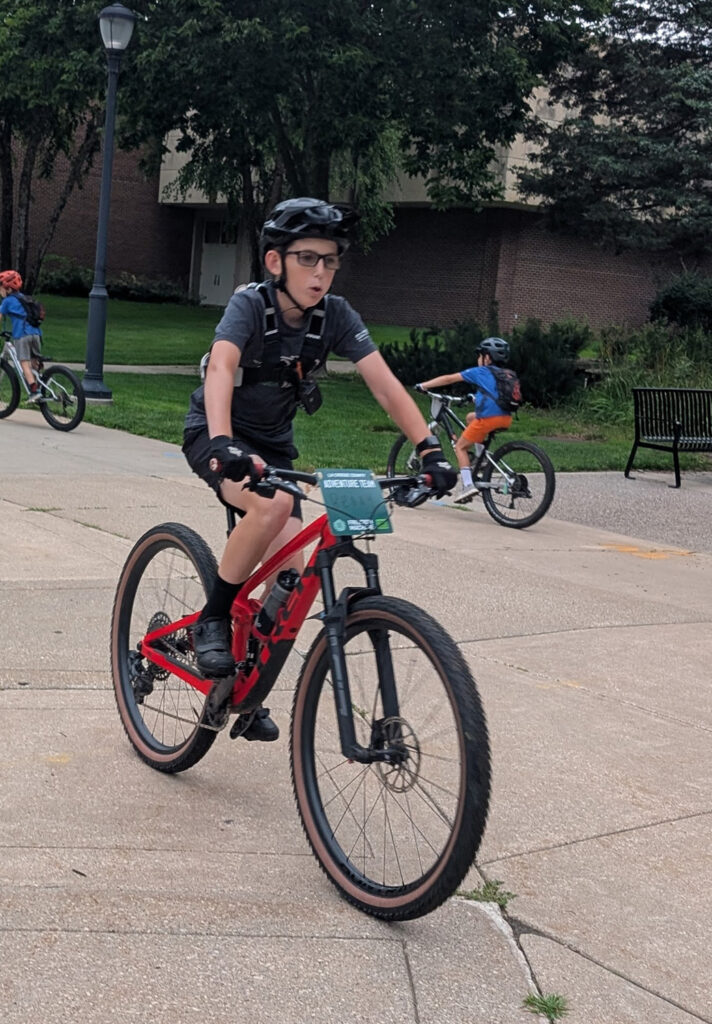
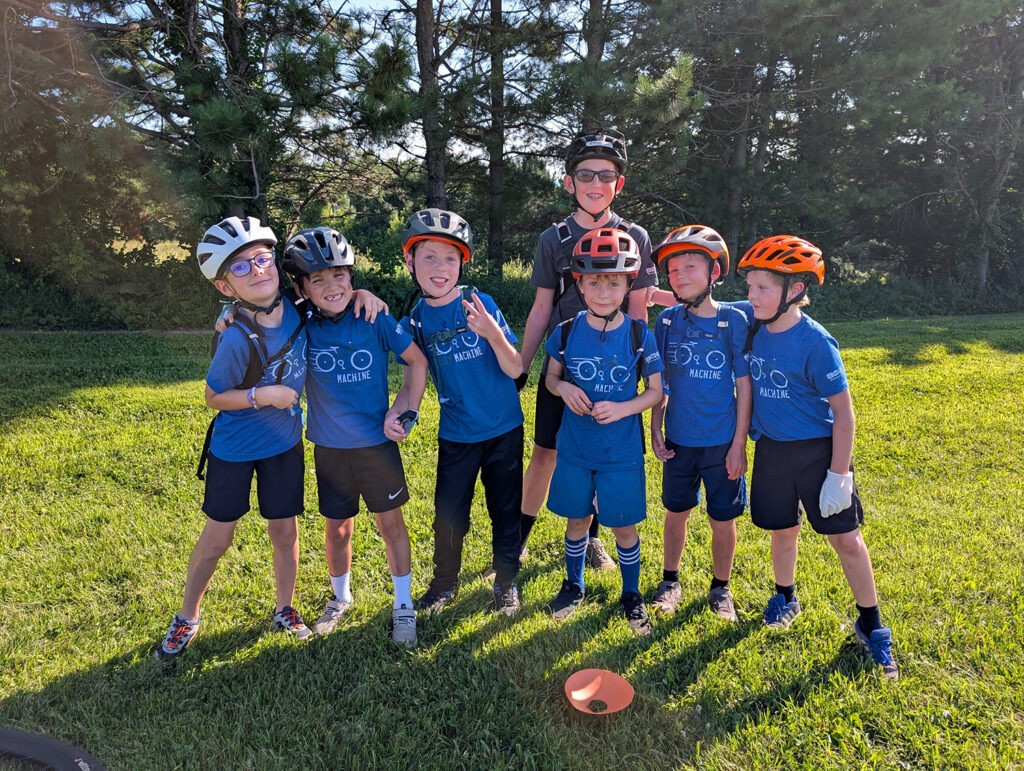
Apprentice Leads Responsibilities (throughout the season)
- Take attendance for your group.
- Lead a “get to know you” activity at orientation.
- Share something about your ride with the team so that they understand that all riders have things to work on. This could include a goal or a skill.
- At the end of the ride, assist with clean up. Have a regular task such as picking up obstacles.
- Shadow the set up of basecamp on the first night (orientation)
- Make sure all riders have name plates and this year’s AT shirt. Initially pay close attention to this for your group and over summer become aware of all of the riders.
- Assist riders in your group with ABCD bike check. Initially shadow another lead and when comfortable apprentice leads should lead the bike check. Have a goal of teaching youth how to do bike check so you can observe the kids doing it for themselves.
- Lead your group from the front. Ride with the radio and manage communication within the group to set a pace that keeps the group together.
- Lead your group from behind. Ride with backpack and radio. Manage communication to help set a pace to keep the group together. Also notice what riders in front of you are successful at and need to practice.
- Lead a discussion on a bike skill using the skill cards. Demo a skill early in the season and support riders practicing a skill later in the season.
Get our updates.
Get involved.